Houthi Attack Damages Saudi Aramco Headquarters in Dhahran
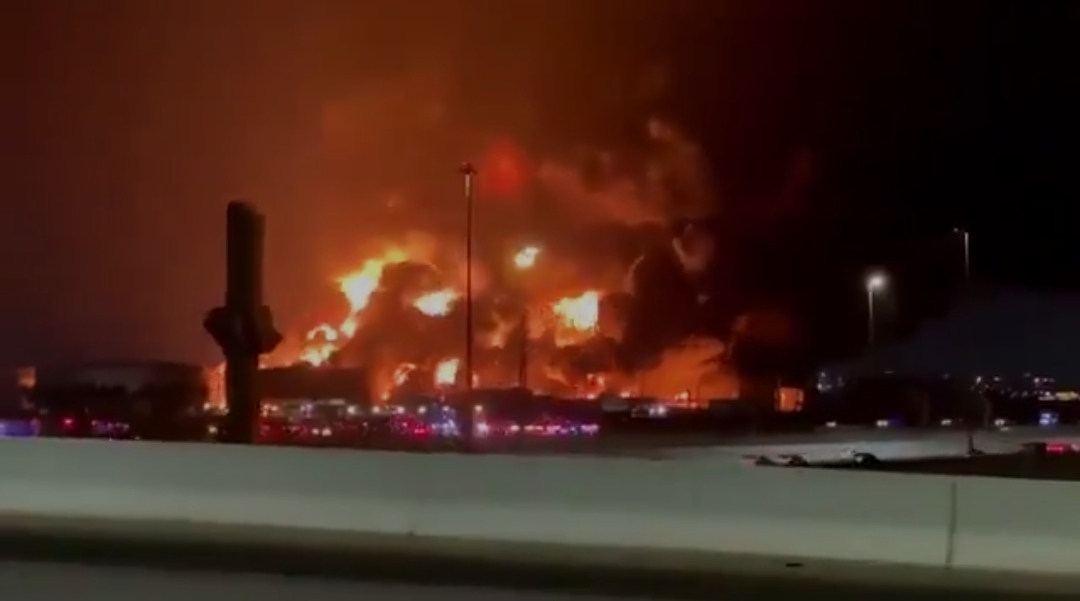
Yemen’s Iran-aligned Houthi rebels struck the headquarters complex of Saudi Arabia’s state-owned oil giant Saudi Aramco in Dhahran on the night of October 13, 2026. The attack damaged offices used by senior company executives and triggered a fire inside an administrative building. Saudi authorities confirmed the incident on October 14, reporting no deaths or injuries. The strike marks a further escalation in the ongoing conflict between Saudi Arabia and the Houthi movement.
According to regional officials cited by the Associated Press, the attack damaged the upper floors of a building used by Aramco’s senior executives, including the office of the company’s chief executive. Reuters subsequently reported that the damage was more extensive than initially described, with several floors in the building’s south wing affected by the fire.
Saudi Arabia’s Energy Ministry characterized the fire as limited, while Aramco had not publicly commented on the full extent of the damage in the reports available at the time.
Saudi Aramco is one of the world’s largest oil producers and plays a central role in the kingdom’s economy and global energy supply. Its headquarters complex in Dhahran supports operations connected to oil fields, pipelines, refineries and export infrastructure. Despite the attack, Reuters reported that the company’s wider operations continued, although some administrative functions were shifted to other offices and employees were advised to work remotely.
The Houthis have threatened additional attacks against Saudi airports and oil facilities, describing such locations as legitimate targets in retaliation for Saudi-led military operations in Yemen. The latest strike followed Saudi-led coalition attacks on Houthi-controlled energy sites, including facilities near the Yemeni capital, Sanaa. The developments highlight the growing risk of further attacks on strategic infrastructure as the conflict intensifies.
The attack has raised concerns about the security of Saudi Arabia’s energy infrastructure and the potential consequences for international oil markets. Any prolonged disruption to major production or export facilities could affect global supply expectations and contribute to price volatility. However, the reported damage at Aramco’s headquarters does not by itself establish that oil production or exports have been disrupted. The company’s continuing operations remain an important distinction as authorities assess the incident’s wider implications.
Saudi Arabia and the Houthis have exchanged attacks amid renewed fighting, while regional and international actors face growing pressure to prevent further escalation. The Houthis have signalled their intention to continue targeting Saudi infrastructure, while the Saudi-led coalition has continued military operations against Houthi positions in Yemen. With no comprehensive ceasefire in place, the latest attack underscores the risks to regional security, civilian safety and global energy markets.